Environment
Ozone layer recovers faster than expected
International efforts to protect the ozone layer are a 'tremendous global success,' scientists said on June 12.
Browse ScienceInfo articles and explainers related to Ozone Hole.
18 published items.
International efforts to protect the ozone layer are a 'tremendous global success,' scientists said on June 12.
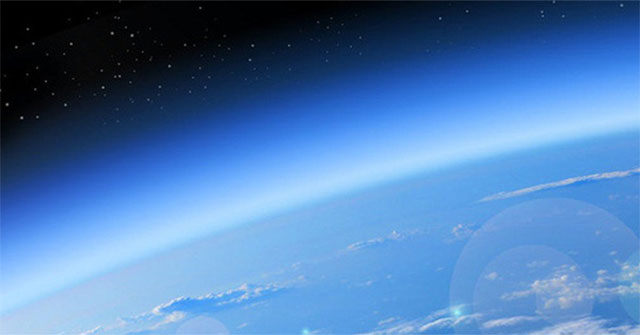
There is a reason and has determined it, but science is still not exhaustive as to why ozone-depleting factors are particularly strong in the first months of this year.
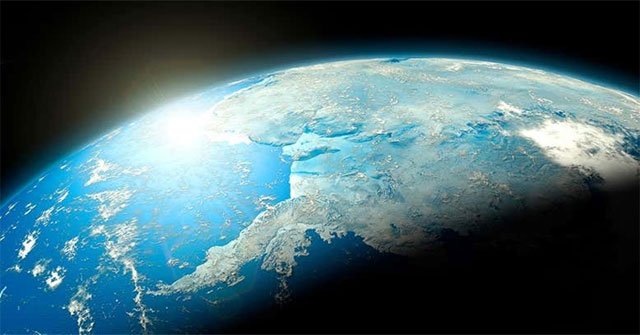
The ozone layer above the Antarctic is continuing to recover and it has led to changes in the atmospheric circulation - airflow on the Earth's surface that causes wind.
Over thousands of years, we still cannot understand all about the Green planet. The simple reason is because over time, everything changes.
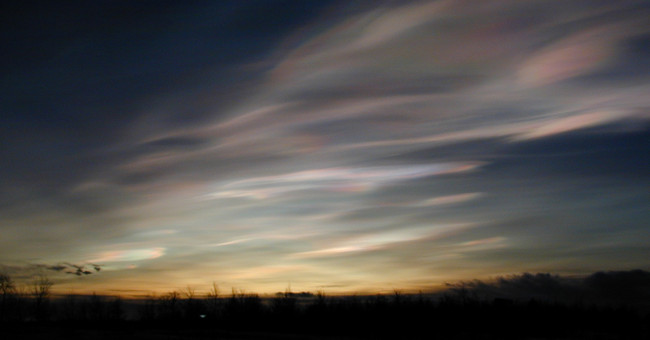
Serious ozone depletion in the stratosphere in the late winter and early spring in Antarctica, commonly known by the name
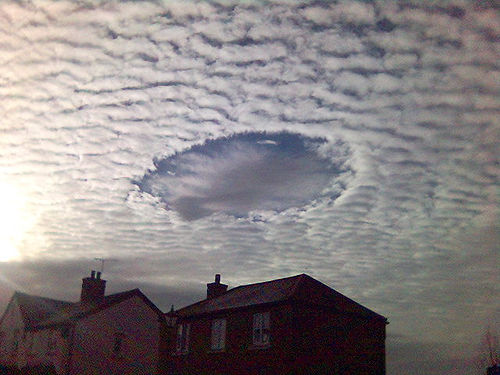
An asteroid falling into the Pacific Ocean stimulates a large amount of evaporated seawater, thereby creating an ozone gap.
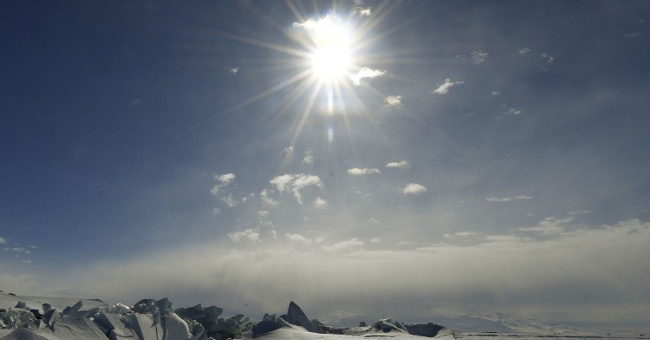
The ozone gap formed in Antarctica in September this year is the smallest sized hole monitored by scientists since 1988.
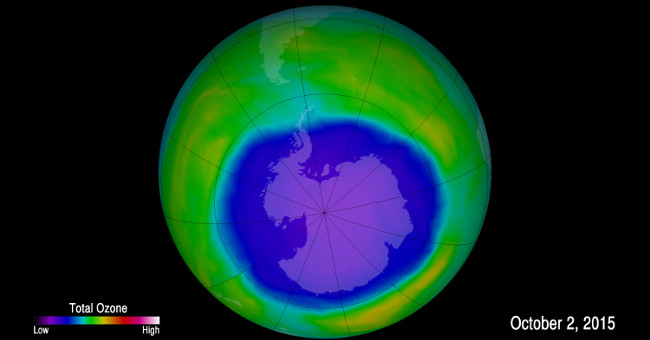
A recent study shows that the ozone layer in the Antarctic is beginning to shrink.
Scientists say that the ozone layer is gradually shrinking and may disappear by 2070.
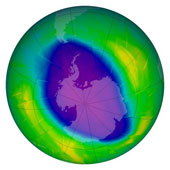
In recent months, many regions in Vietnam and the world are constantly experiencing prolonged heat and drought, making us think of the global warming of the greenhouse e…
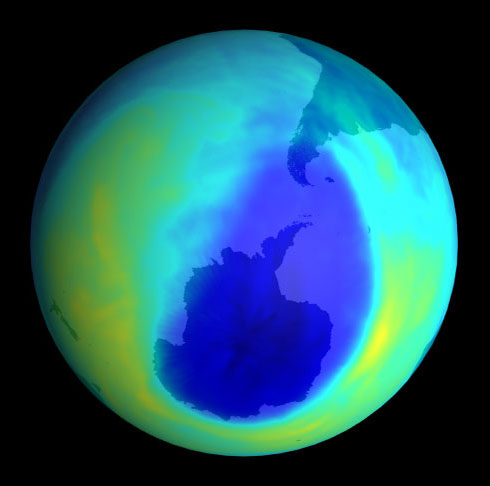
Xinhua quoted Geir Braathen, a WMO expert, saying that in the past decade, the stratospheric ozone layer in the Arctic and Antarctic regions as well as globally has not…
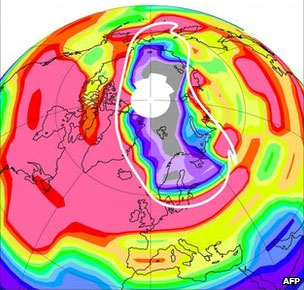
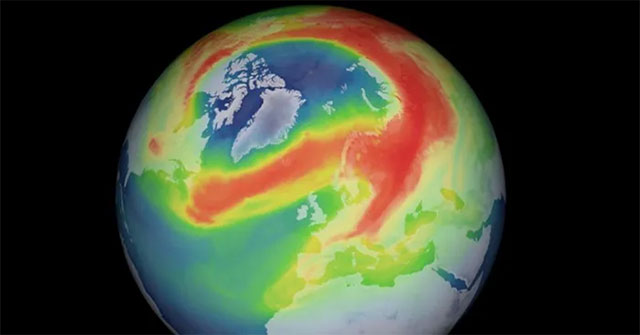
According to scientists, ozone holes have recently appeared in the Arctic region. At an altitude of about 20km from the ground, ozone concentrations decreased by 80%.
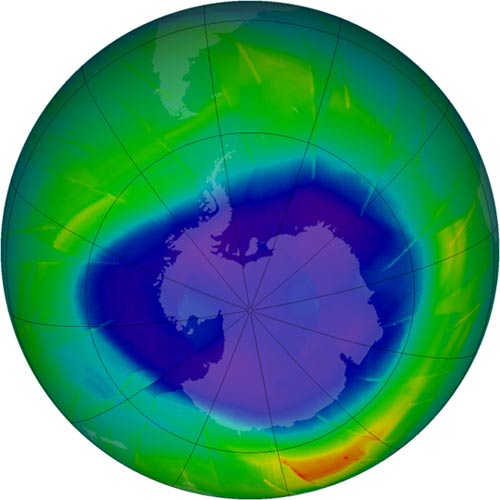
World Meteorological Organization (WWO) predicts ozone depletion in Antarctica, this year, is likely to be smaller than the loss in 2008.
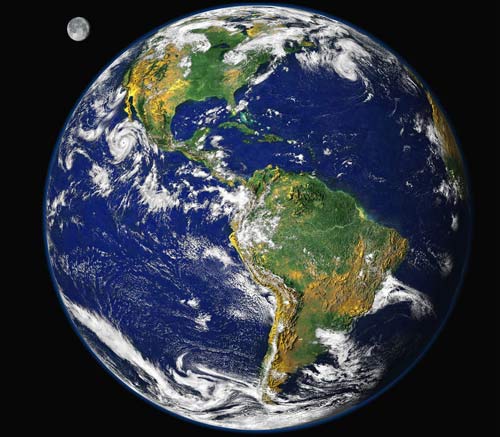
Australian scientists say satellite measurements show that the hole in the Antarctic ozone layer is shrinking, with the smallest size in the last 10 years.
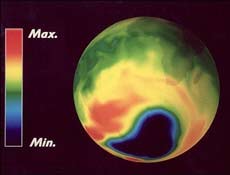
On August 22, the international scientific community was optimistic that the hole in the ozone layer on Antarctica was shrinking. Director of Global Monitoring Institute…